
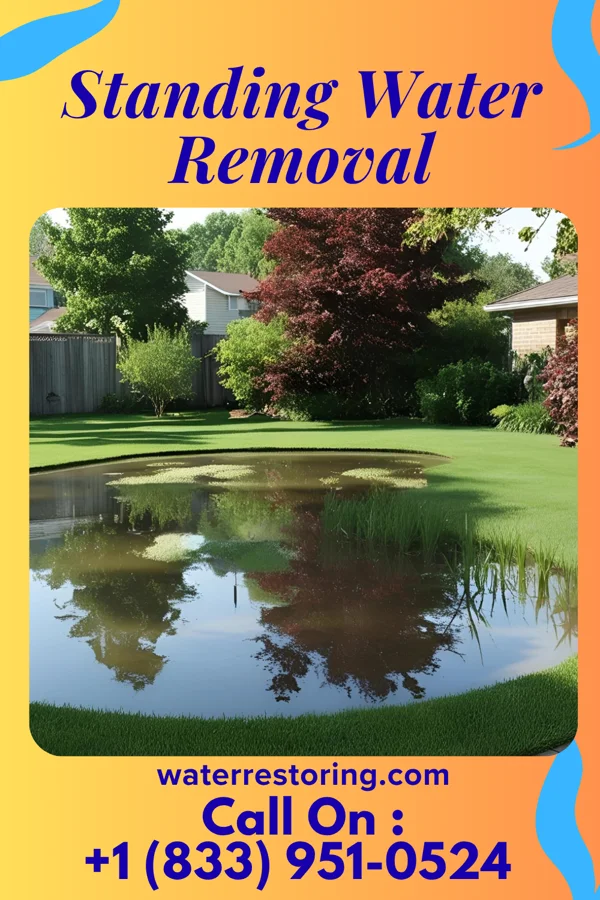
Why Upper Kalskag Sees Standing Water Often
The pattern in Upper Kalskag is consistent. In Upper Kalskag, Alaska, water damage often stems from sudden flooding due to heavy rainfall or rapid snowmelt, especially during the spring thaw. Additionally, leaks from aging infrastructure or improperly maintained septic systems can lead to significant water intrusion in residential and commercial properties. drives most of the emergency restoration calls we get. A close second is Another common cause is groundwater seepage through poorly sealed basements or crawl spaces, which can lead to prolonged moisture exposure. Additionally, ice dams on roofs during winter can cause water to back up and leak into buildings..
Upper Kalskag experiences a subarctic climate with long, cold winters and short, cool summers. This climate increases the risk of water damage from both freezing temperatures causing pipe bursts and heavy spring rains leading to flooding.
Upper Kalskag experiences a subarctic climate with long, cold winters and short, cool summers. This climate increases the risk of water damage from both freezing temperatures causing pipe bursts and heavy spring rains leading to flooding. The dominant local driver is In Upper Kalskag, Alaska, water damage often stems from sudden flooding due to heavy rainfall or rapid snowmelt, especially during the spring thaw. Additionally, leaks from aging infrastructure or improperly maintained septic systems can lead to significant water intrusion in residential and commercial properties., with Another common cause is groundwater seepage through poorly sealed basements or crawl spaces, which can lead to prolonged moisture exposure. Additionally, ice dams on roofs during winter can cause water to back up and leak into buildings. showing up as the next most common cause. Damage builds in stages. Spread. Absorption. Microbial growth. Structural compromise. Every stage you pass through adds to the final bill.
For public guidance on the health effects of mold after prolonged water exposure, see the EPA mold and health page.